When building a presence on social media, one of the most common questions is whether to focus on a personal brand or a business account. Both can be effective, but they serve different purposes and suit different goals. Choosing the right approach early on can save time, confusion and rebranding later.
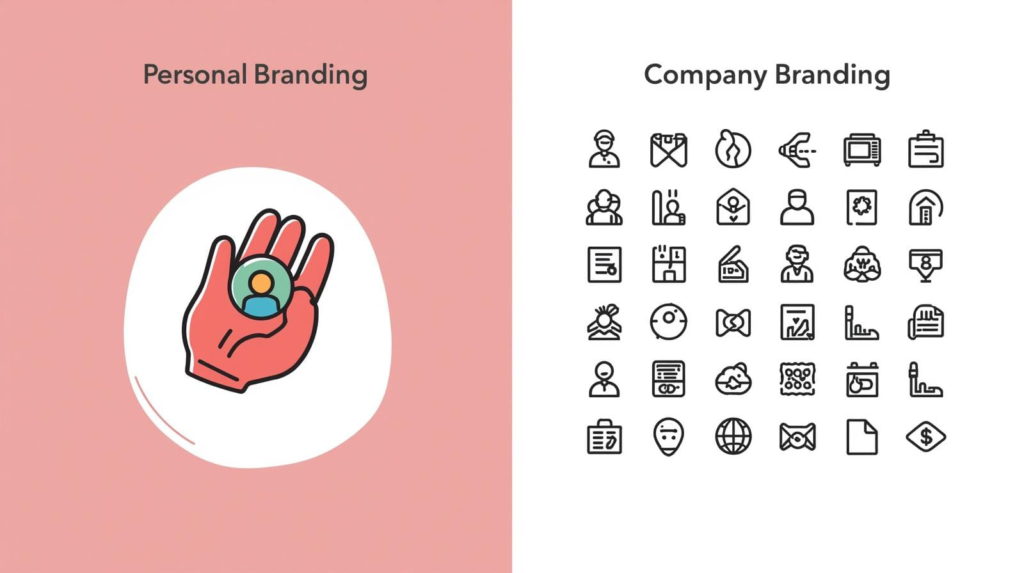
Here’s how personal brands and business accounts compare, and how to decide which is right for you.
What is a personal brand?
A personal brand is built around an individual. Content is shared from a human perspective, often featuring opinions, experiences, stories and behind-the-scenes moments.
The focus is on connection, trust and relatability. Followers engage with the person, not just what they sell.
Common examples include:
- Creators and influencers
- Coaches and consultants
- Freelancers and solopreneurs
- Founders who are the face of their business
What is a business account?
A business account represents a company or brand rather than an individual. Content tends to be more structured and product- or service-focused, with less emphasis on personal identity.
The goal is often clarity, professionalism and scalability.
Common examples include:
- Ecommerce brands
- Agencies and studios
- SaaS companies
- Retail and service businesses
Key differences
Trust and connection
Personal brands usually build trust faster because people connect more easily with other people than with logos. Audiences often feel a stronger emotional bond and are more likely to engage.
Business accounts may take longer to build trust but can appear more established and credible, especially in corporate or B2B spaces.
Content flexibility
Personal brands allow for a wider range of content, including opinions, storytelling and informal updates. This flexibility often leads to higher engagement.
Business accounts usually follow stricter branding and messaging guidelines, which can limit creativity but improve consistency.
Growth potential
Personal brands often grow faster, particularly on platforms that prioritise authenticity and relatability. Algorithms tend to favour human-led content.
Business accounts can still grow well, but they often rely more on paid promotion, collaborations or strong brand recognition.
Monetisation
Personal brands are well suited to services, consulting, digital products and partnerships. Audiences are more likely to buy from someone they trust personally.
Business accounts work better for product sales, subscriptions and long-term brand building, especially when multiple team members are involved.
Scalability and exit
Business accounts are easier to scale and sell. They aren’t tied to one individual and can grow beyond a single personality.
Personal brands are harder to separate from the person behind them, which can limit scalability but increase loyalty.
Which should you choose?
A personal brand may be better if you:
- Are a solo creator or freelancer
- Sell services, coaching or expertise
- Enjoy being visible and sharing opinions
- Want faster organic growth
A business account may be better if you:
- Sell physical or digital products
- Plan to build a team or agency
- Prefer a polished, brand-first presence
- Want a scalable, sellable asset
A hybrid approach
Many people successfully combine both. A personal brand drives trust and attention, while a business account handles products, services and operations.
Founders often use their personal account to build authority and funnel traffic to their business.
There’s no universal right answer. The best choice depends on your goals, personality and long-term plans.
Whether you build a personal brand or a business account, consistency, clarity and value matter far more than the label. Choose the model that supports how you want to show up — and how you want to grow.