In the traditional music industry, the relationship between an artist and their audience was strictly one-way. You released a track, and the fans listened.
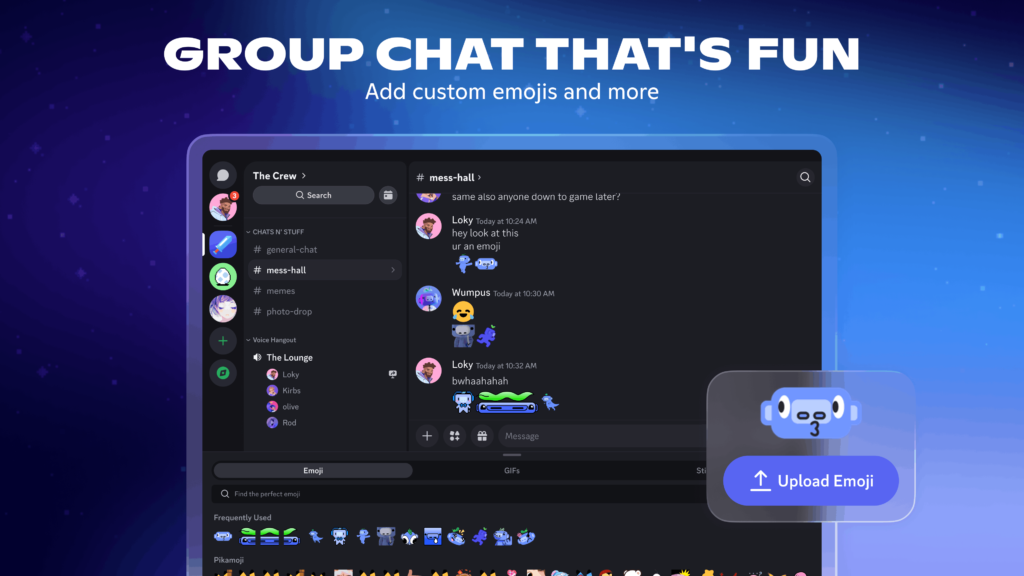
While social media platforms like Instagram and TikTok have bridged that gap, they remain “broadcast” tools—places where you shout into a crowd hoping to be heard over the noise of the algorithm. In 2026, the most resilient artists are moving their “super-fans” off the public feed and into Discord. This is not just a chat app; it is a digital “backstage” area where community is co-created.
Moving from followers to “true fans”
The primary problem with traditional social media is that you do not own the relationship with your audience. If an algorithm changes, your reach can drop by half overnight. Discord removes this gatekeeper. When you invite your most loyal listeners into a private server, you are creating a direct line of communication that is immune to “feed fatigue.”
In this environment, a “follower” becomes a “member.” This shift in language is crucial; it implies a sense of belonging and ownership. Members are more likely to buy merchandise, attend live shows, and promote your music to their own circles because they feel personally invested in your journey.
Structuring your digital green room
A successful artist server is more than just a single chat room. It should be structured to provide different levels of “access” and value:
- The “Listening Room”: A space for exclusive first listens of unreleased demos or “behind the scenes” commentary on how a track was produced.
- The “Creative Hub”: Channels where fans can share their own art, remixes, or covers of your songs, fostering a peer-to-peer ecosystem.
- The “Direct Access” Tier: Using “role-based” permissions to give your top supporters—perhaps those who have purchased a digital collectible or a premium subscription—direct Q&A access or virtual “hangouts.”
Sustaining the energy without burnout
The fear for many artists is that a Discord server requires constant attention. However, the beauty of a well-run community is that it becomes self-sustaining. By appointing trusted fans as “moderators,” you empower the community to look after itself. Your role shifts from being a content machine to being a “host” who drops in for high-impact moments rather than constant chatter.
The artist’s epiphany: You don’t need a million followers to have a career; you need a thousand people who feel like they are part of your inner circle.
Ultimately, Discord offers a solution to the “loneliness” of the modern streaming era. It turns a passive listening experience into an active, social one. By building a digital backstage, you aren’t just selling music; you are providing a home for the people who love it most.