
There was a time when album sales were everything. Artists spent months crafting the perfect record, fans queued outside shops on release day, and the number of albums sold often decided who was considered a success. If your album went platinum, you were a superstar. If it didn’t, well, better luck next time.
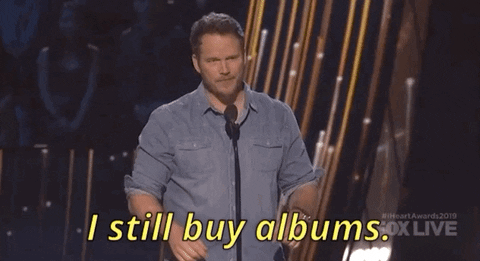
Fast forward to today, and the music world looks completely different.
The biggest reason album sales matter less is simple: people don’t listen to music the same way anymore. Streaming has changed everything. Instead of buying an entire album, listeners can instantly access millions of songs through platforms like Spotify, Apple Music and YouTube. Why spend £10 on one album when you can listen to almost anything for the price of a monthly subscription?
The rise of playlists has also shifted the focus away from albums. Many listeners discover music through curated playlists, viral TikTok clips or recommendation algorithms. They’re often searching for a great song rather than a complete album experience. In some cases, fans may never even realise which album their favourite track comes from.
Attention spans have played a part too. In a world filled with endless entertainment options, artists are competing for every second of a listener’s time. Releasing regular singles can often generate more attention than spending years building an album. One catchy track can dominate social media, streaming charts and radio playlists without needing a full project behind it.
That doesn’t mean albums are dead. Far from it. Albums still matter enormously for artists who want to tell a story, showcase their creativity or build a deeper connection with fans. Some of the most celebrated releases each year are still albums, and dedicated music lovers continue to appreciate the journey that a well-crafted record provides.
However, commercial success is no longer measured by album sales alone. Streaming numbers, social media engagement, concert ticket sales, merchandise revenue and fan communities now play a huge role in determining an artist’s impact. A musician can have millions of monthly listeners and sell out arenas while barely shifting physical albums at all.
Ironically, vinyl records have enjoyed a remarkable comeback in recent years. While overall album sales may not carry the same weight they once did, collectors and superfans are still willing to buy physical copies as keepsakes. For many, owning an album has become more about supporting an artist and enjoying the experience than simply accessing the music.
The truth is that album sales haven’t become irrelevant — they’ve just become one piece of a much larger puzzle. Music consumption has evolved, and the way success is measured has evolved with it. In today’s industry, it’s not about how many albums you sell. It’s about how many people are listening, engaging and coming back for more.
The album may no longer be king, but it’s certainly not leaving the throne without a fight.