
If you take a look at the official UK vinyl charts on any given week, you’ll notice something rather comforting, if a little bizarre. Nestled comfortably alongside the latest hyper-pop releases and hyped indie debuts, you will invariably find a handful of records that were recorded when your parents—or possibly your grandparents—were still wearing flares.
We aren’t talking about a brief, nostalgia-driven spike because a legendary singer passed away. We are talking about albums that have set up permanent camp in the charts, bought a nice sofa, and refused to leave for decades.
How do certain records become permanent fixtures of our musical diet? Let’s take a look at the albums that refuse to budge, and why they continue to capture the wallets of the streaming generation.
The permanent residents
Before we look at why this happens, we must acknowledge the chief culprits. If you’ve ever walked into a HMV or a trendy independent record shop, you’ve undoubtedly seen their sleeves staring back at you.
- Fleetwood Mac – Rumours (1977): The ultimate soap opera captured on wax. This album spent over 1,000 weeks on the UK Official Albums Chart. It is practically a legal requirement for every household in Britain to own a copy.
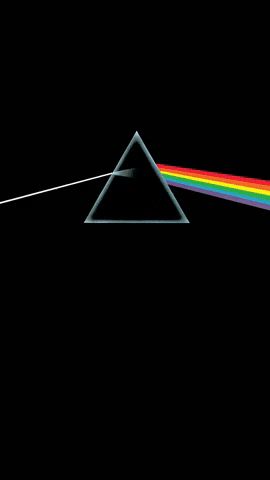
- Pink Floyd – The Dark Side of the Moon (1973): An album so mathematically perfect it spent nearly a thousand weeks on the US Billboard charts and remains a staple of UK vinyl sales.
- Amy Winehouse – Back to Black (2006): A modern classic that feels ancient and timeless all at once. It remains the go-to record for anyone experiencing a rainy Sunday afternoon or a mild existential crisis.
- Abba – Gold (1992): The compilation album that will outlive us all. It recently became the first album to cross the 1,000-week milestone on the UK charts.
The “cool uncle” effect and TikTok
So, why are teenagers in 2026 handing over thirty quid of their hard-earned cash for an album that came out half a century ago?
You can thank the internet for a lot of it. Algorithmic playlists on Spotify and Apple Music are brilliant at introducing 16-year-olds to the smooth harmonies of The Chain or the bassline of Dreams.
Then there is TikTok. Every few months, a classic track gets picked up by a viral video trend, introducing millions of Gen Z users to a band they might have previously dismissed as “dad music.” Suddenly, Fleetwood Mac isn’t just an old band; they are a lifestyle aesthetic.
Built for the vinyl revival
It also helps that these specific albums were crafted during an era where the album format was king.
In the streaming age, we are used to skips, shuffles, and disjointed playlists. But records like The Dark Side of the Moon or Rumours were engineered to be listened to from start to finish, side A to side B. They tell a coherent story, and the sequencing is flawless.
When young music fans buy a turntable to get away from the frantic nature of their phones, they want an immersive experience. You don’t just put Rumours on in the background; you sit on the floor, look at the artwork, read the lyrics, and let the 1970s drama wash over you.
The ultimate comfort food
Ultimately, these albums remain in the charts because they are the musical equivalent of a roast dinner on a cold Sunday. They are reliable, universally loved, and instantly evocative.
Pop trends will come and go, genres will morph, and technologies will change. But as long as human beings experience heartbreak, angst, and the sudden urge to dance around the kitchen to Dancing Queen, these evergreen albums aren’t going anywhere.