
It’s official. Social media will be banned for those under 16 within the UK. The ban is set to come into force in Spring 2027 and has been backed by 9 out of 10 parents.
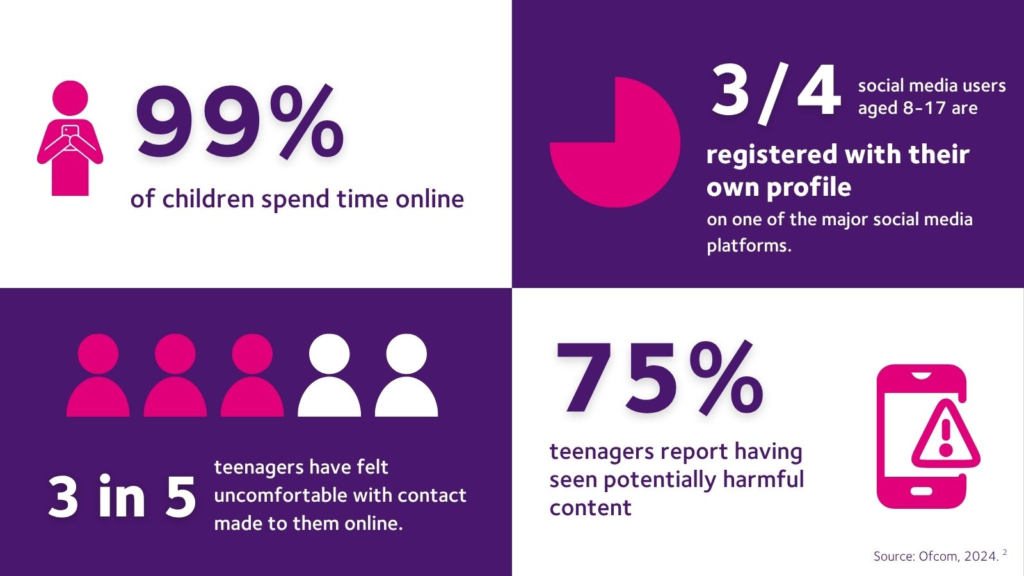
The UK government has announced a sweeping ban on social media platforms for children under the age of 16, marking what ministers call a “line in the sand” to protect future generations from online harm.
The decisive move, backed by 90% of parents, is expected to be introduced to Parliament before Christmas, with the new protections legally coming into force by spring 2027.
Under the new rules, tech companies will be blocked from offering user-to-user services to under-16s. The restrictions will capture algorithmic and content-sharing platforms including TikTok, Snapchat, Instagram, YouTube, Facebook, and X. However, private messaging apps like WhatsApp and Signal will be exempt from the ban.
Going beyond a blanket ban
The government’s strategy goes further than a simple platform ban by targeting specific high-risk features across a wider range of online services, including gaming sites.
For users under 16, the government will introduce world-leading blocks on:
- Livestreaming: Preventing children from broadcasting themselves live.
- Stranger communication: Blocking tools that allow unknown adults or users to directly contact children. (This will not stop children from playing standard multiplayer video games).
- AI chat restrictions: Highly sophisticated AI “romantic companion” chatbots, designed to simulate relationships, will enforce a strict minimum age of 18.
To prevent a sudden “cliff-edge” when children turn 16, these security features will remain turned on by default for 16- and 17-year-olds. Ministers are also actively reviewing further safety measures for under-18s, including overnight curfews and enforced breaks from infinite scrolling, with more details expected in July.
Following the Australian model
The UK is closely adapting the regulatory model pioneered by Australia. To prevent children from easily bypassing these new restrictions, the government will introduce “highly effective age assurance” (HEAA) measures.
The media regulator Ofcom has been tasked with launching a rapid study into the most reliable methods for verifying whether a user is over 16. Technology Secretary Liz Kendall has also ordered an urgent review of Ofcom’s enforcement powers, confirming that the regulator will receive the necessary funding to penalise tech giants that fail to comply.
“Parents want to keep their kids safe and happy, but the online world has made that harder than ever. Tech giants had their chance and failed, but we’re stepping in to protect children, back parents and set a new normal for future generations.” — Prime Minister Keir Starmer
Overwhelming public backing
The policy follows an extensive national consultation that drew over 116,000 responses from parents, children, and experts.
The public response showed overwhelming support for state intervention. Not only did nine in 10 parents back the age limit, but two-thirds of young people also agreed that under-16s should be restricted from using at least some social media apps, citing the dangers of unmoderated real-time content and addictive algorithmic feeds.
Fast-tracking the law
Rather than waiting to pass an entirely new Act of Parliament, the government is fast-tracking these changes using secondary legislation via the Children’s Wellbeing and Schools Act. This approach allows the first wave of regulations to take effect swiftly by spring 2027.
The announcement builds on a broader, ongoing crackdown on tech platforms. Just last week, the Prime Minister gave tech firms a strict three-month deadline to make it impossible for children to take, share, or view nude images online.
Government officials emphasize that the digital crackdown coincides with a renewed effort to improve offline spaces for youth, including a curriculum reform aimed at boosting access to sports, creative arts, and outdoor activities.