
The music-streaming landscape continues to evolve rapidly, and while the giants like Spotify and Apple Music dominate today, a new wave of platforms and models are emerging that are worth keeping an eye on into 2026. Here are several promising ones, plus the broader trends that suggest why they matter.

Key emerging platforms & models
Tune.fm
This blockchain-based streaming service uses distributed ledger tech and a native token (JAM) to reward artists every second their music is listened to. It allows tokenised proof of ownership and builds a direct connection between streaming consumption and musician payment.
Why it’s interesting: It challenges the traditional “streams = tiny fractions of a cent” model by offering a more transparent and artist-centric payment system.
Watch-out points: Scaling such a system globally, securing major label/catalogue deals and getting consumer uptake remain non-trivial.
Chune.xyz
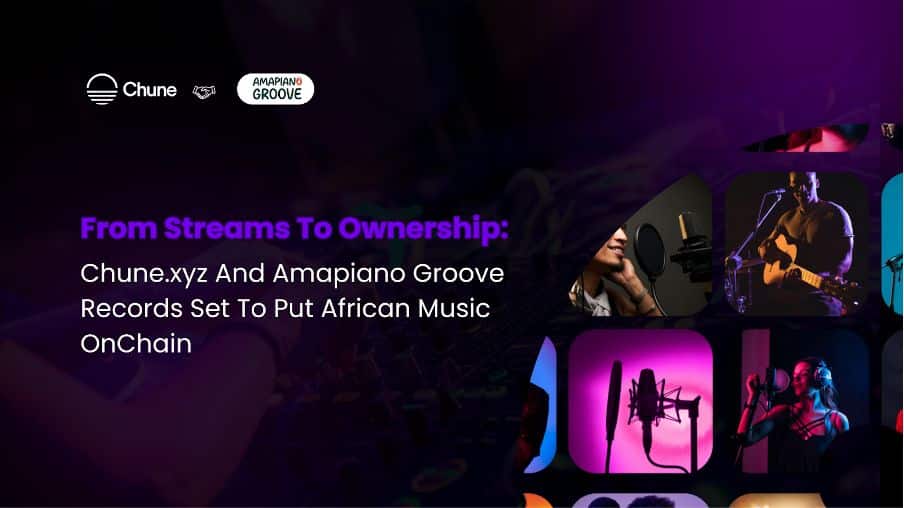
Chune positions itself as a “Spotify alternative for independent artists”, leveraging blockchain and decentralised tech to shift creative and financial control back to musicians.
Why it’s interesting: With rising criticism of how large streaming platforms compensate smaller artists, a platform built around fairness and artist-control could carve out a distinct niche.
Watch-out points: Discovery, user-base size, catalogue depth and user convenience will determine whether it can scale beyond early adopters.
Sesh (fan-community platform)
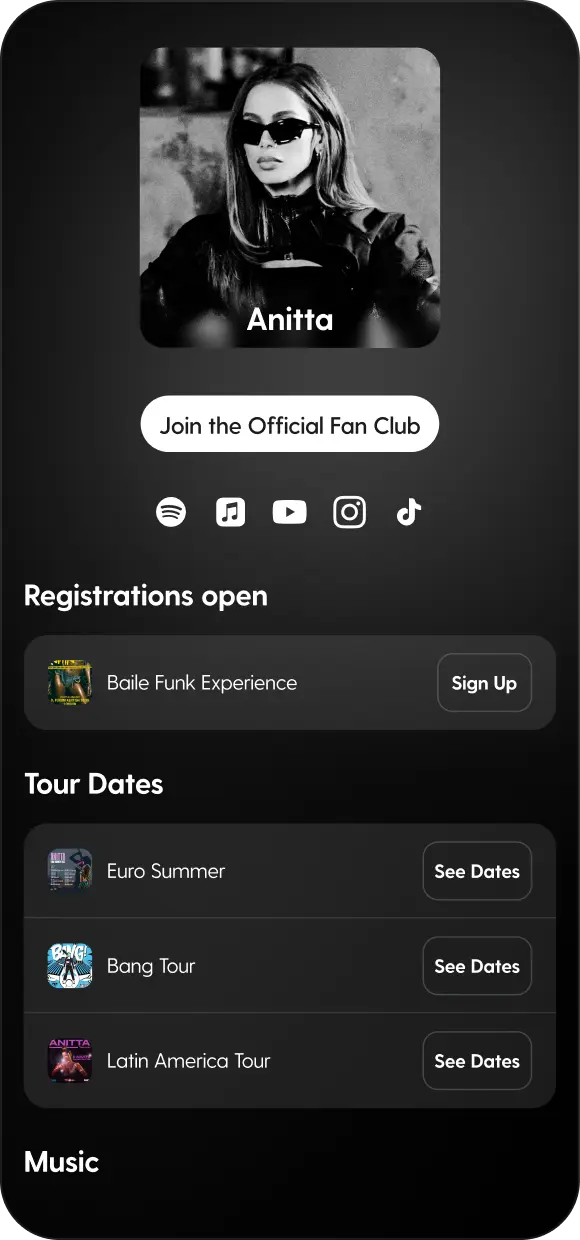
Sesh is less a pure streaming service and more a platform that connects artists and superfans: users receive “fan cards” stored in mobile wallets, join live sessions, interact, and artists manage fan data directly.
Why it’s interesting: Streaming has matured — growth in subscriber numbers is slowing in mature markets. Platforms that enhance fan engagement beyond streaming audio may become differentiators.
Watch-out points: While the model is promising, user acquisition and maintaining active fan-artist relationships at scale are challenging.
Broader trends shaping 2026
- Community & interactive experiences: Streaming will increasingly incorporate social layers — group listening, live events, shared playlists and immersive “listen together” features.
- Blockchain / Web3 / NFT integration: Ownership, royalty transparency and direct-to-artist models are gaining attention. Tune.fm and Chune are examples.
- AI and content innovation: Platforms are investing heavily in AI-driven features (playlist generation, mood detection, creator tools) and also grappling with rights issues around AI-generated music.
- Niche / regional focus: Rather than trying to be global jiants, some platforms focus on underserved regions, genres or artist segments. That can allow more targeted growth.
- Monetisation beyond just streaming: Fan-centric services, direct-artist payments, live virtual events, merchandise integration — these are all looking like part of what “next-gen” platforms will offer.
Why 2026 could be a tipping point
The global music-streaming market is still growing strongly (with forecasts showing double-digit CAGR in many regions). As legacy platforms saturate their markets, new growth may come from innovation rather than simply more users.
Platforms that can combine:
- a compelling user-experience,
- strong artist-value,
- sustainable business model,
- and differentiation from the mainstream streaming giants
… may therefore gain traction in 2026 and beyond.
What you should keep an eye on as a creator or consumer
- If you’re a creator: Monitor how these new platforms treat rights, payouts and community/engagement features — they may become viable alternatives or complements to major DSPs.
- If you’re a music-fan: Explore platforms that offer more interactive or immersive experiences — it may change how you listen rather than just “play songs”.
- Watch for: rollout timelines, catalogue & licensing deals (does the platform have the music you want?), regional availability (UK compatibility matters), price models, device/ ecosystem support.
- Consider hybrid usage: you may continue using the major streaming service for general listening, but experiment with a new platform for discovery, niche genres or deeper engagement.
While the core streaming platforms remain strong, 2026 looks likely to be a year when “what’s next” becomes important. The platforms above — Tune.fm, Chune, Sesh — are emblematic of a shift: more artist empowerment, more community, more innovation.
Whether any one of them becomes the “next Spotify” remains to be seen. But for anyone involved in music creation, marketing or consumption, keeping them on your radar makes good sense.