The digital age was meant to democratise music. With platforms like Spotify, YouTube, SoundCloud and TikTok, anyone with a laptop and a mic could, in theory, reach an audience.
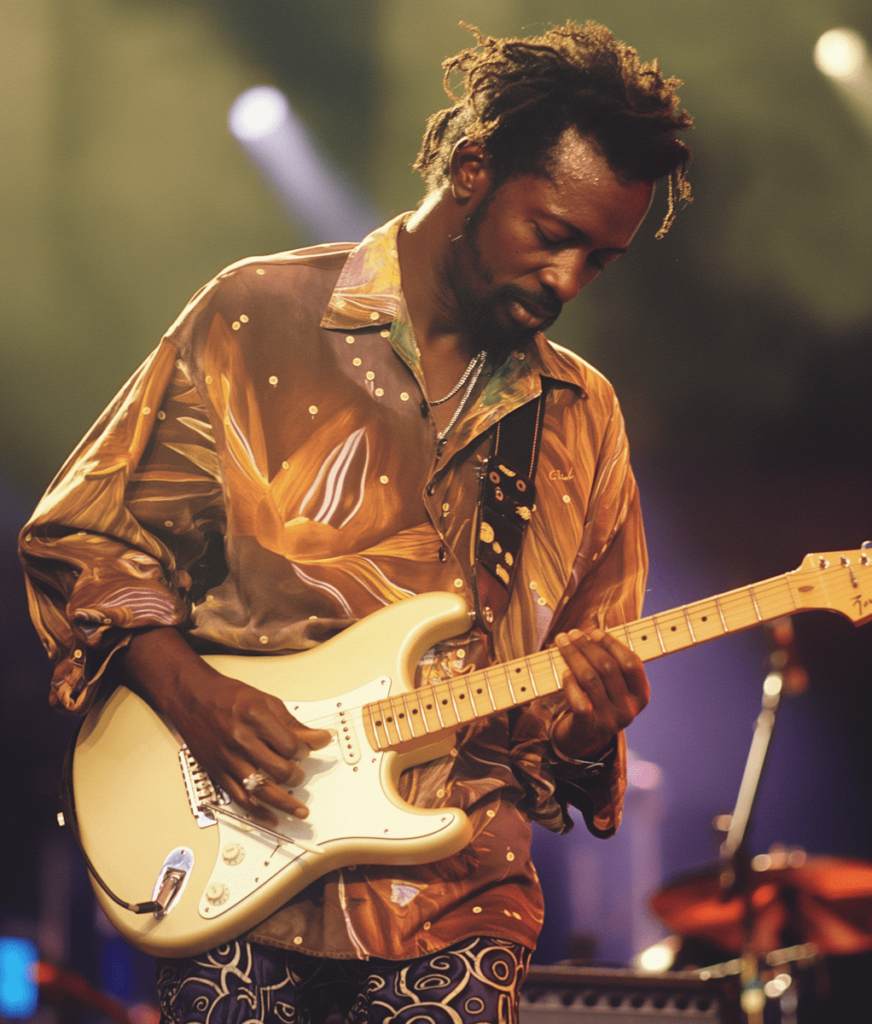
But while it’s never been easier to upload music, getting heard, supported, and taken seriously remains an uphill battle for most artists. At the core of the issue is an old problem dressed in new clothes: gatekeeping. Despite all the technological progress, much of the music world still runs on closed networks, insider access, and curated power.
The myth of full independence
It’s often said that artists today are “independent” and have full control over their careers. But the reality is more complicated. While it’s true that artists can record, release and promote their work without a label, access to major opportunities is still tightly controlled—by streaming editors, playlist curators, promoters, influencers, and even social media algorithms.
From festival bookings to editorial playlists, radio play to sync deals, the doors may appear open, but the selection process is far from transparent.
Who holds the keys?
Gatekeeping takes many forms across the industry:
- Playlist editors on platforms like Spotify or Apple Music
- Press outlets, blogs, and review sites that favour established acts
- Festival and venue bookers who lean towards names with track records or label support
- Social media algorithms that boost already-viral content
- Distributors or A&Rs who prioritise artists based on past performance metrics
- Industry connections—from PR agents to managers—who can unlock access others can’t
For many independent artists, especially those without industry contacts or budgets, these gatekeepers remain invisible but powerful barriers to growth.
Inequality across genre, gender, and geography
Gatekeeping doesn’t impact everyone equally. Artists from underrepresented backgrounds—whether based on race, gender identity, language, location, or genre—often find it harder to break into mainstream spaces.
For example:
- Female and non-binary artists still face significant underrepresentation in line-ups and playlists.
- Artists outside major cities or countries with strong music infrastructure often get overlooked
- Niche or experimental genres are frequently excluded from big platforms and playlists
- English-language music still dominates global exposure, pushing other cultures to the margins
This reinforces a cycle where only certain types of artists get the visibility, support, and funding they need to thrive.
Pay-to-play and industry politics
Some artists turn to playlist pitching services, paid PR, or “exposure” opportunities that promise access—but these often come with high costs and mixed results. In some cases, access is granted more by who you know or how much you can spend, rather than the strength of the music.
Even in “indie” spaces, politics and cliques can act as informal gatekeepers. Artists often feel pressure to network constantly just to be considered for gigs or coverage.
The emotional toll of being shut out
Repeated rejection—or worse, silence—can be disheartening. Many artists find themselves questioning their talent or place in the industry when, in reality, they’re simply facing a closed system.
It’s difficult to stay motivated when the path forward is unclear, especially when less experienced or more connected artists seem to leap ahead.
Building your own access
While traditional gatekeeping is still very real, artists today also have the tools to build independent access points:
- Cultivate a direct fanbase via email lists, Patreon, Bandcamp or Discord
- Use short-form video and live-streaming to grow organically on your own terms
- Collaborate with other independent artists to cross-promote and build community
- Submit to smaller, independent curators who focus on emerging talent
- Focus on niche spaces that genuinely value your style or story
- Create your own events, showcases, or digital releases—bypass the gate entirely
Gatekeeping and access challenges continue to shape who gets heard and who doesn’t in the music industry. But while the system may be slow to change, artists have more tools than ever to carve out their own space and connect directly with listeners.
You don’t need permission to be great. You just need the right people to hear you—and sometimes, that means building your own door instead of waiting for someone to open theirs.