
When you’re recording music at home, one of the biggest challenges is making your tracks sound full and professional without access to expensive gear or a big studio setup. The secret? Layering. Thoughtful layering can take a thin, flat demo and turn it into something textured, emotional, and immersive.
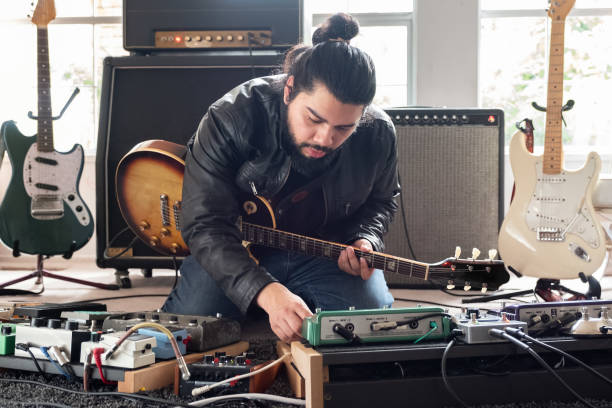
Start with a strong foundation
Before you even begin layering, make sure your core idea — whether it’s a vocal, chord progression or beat — is solid. If the foundation is weak, adding more won’t help. In fact, it can make things feel crowded or muddy.
Think in frequencies
To create a rich mix, aim to fill the frequency spectrum without overlapping too much. Low-end elements like bass or kick should have their space, while mids (guitars, vocals, synths) carry most of the emotional weight. High-end sparkle can come from hi-hats, shakers or subtle ambient textures.
Double and pan
One simple trick: double parts and pan them left and right. Recording two versions of the same guitar riff or backing vocal — slightly different performances — adds natural width. This makes your track feel spacious without needing fancy plugins.
Use textures, not just instruments
Ambient pads, soft percussive hits, field recordings or reversed sounds can add depth without taking over. These small, quiet elements often make the biggest difference — they create atmosphere and nuance.
Less is often more
It’s tempting to keep adding, but restraint is key. Give each sound its purpose. Layering isn’t about stacking endlessly — it’s about contrast, complement, and clarity.
With a bit of intention and a good pair of headphones, you can create DIY tracks that feel rich, wide and emotionally compelling — no big studio required.