Blockchain is no longer just the technology behind Bitcoin and other cryptocurrencies. While many people still associate it solely with digital coins, blockchain has evolved into a powerful tool for a wide range of industries.
From finance to healthcare, supply chain management to digital identity, businesses are discovering how blockchain can create transparency, security and efficiency. In this article, we explore how blockchain is moving beyond cryptocurrency and why it is becoming a game-changer for modern enterprises.
Understanding blockchain beyond digital currency
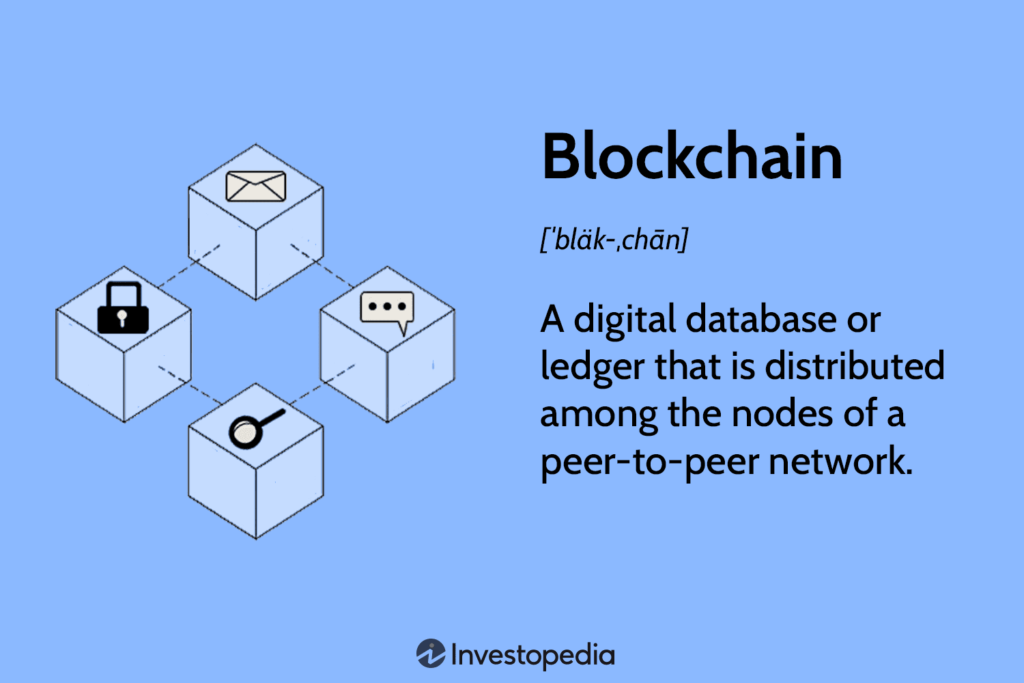
At its core, blockchain is a decentralised and distributed ledger that records transactions across multiple computers. This structure makes data tamper-proof and highly secure. While cryptocurrencies were the first high-profile use case, the technology itself can be applied wherever trust, verification and transparency are essential.
Industries are now looking at blockchain not as a tool for trading digital assets, but as a system for tracking ownership, verifying authenticity and ensuring accountability. This shift opens up new possibilities far beyond finance.
Supply chain management and logistics
One of the most promising applications of blockchain is in supply chain management. Companies can use blockchain to track products from production to delivery, ensuring every step is transparent and verifiable.
For example:
- Tracking the origin of raw materials
- Monitoring shipping conditions in real time
- Reducing fraud and counterfeit products
By providing a permanent, unalterable record of each transaction, blockchain increases trust among suppliers, manufacturers and consumers. Businesses can now prove authenticity and sustainability, which has become increasingly important to consumers worldwide.
Healthcare and patient data
Healthcare is another sector where blockchain is showing significant potential. Medical records are sensitive, and data breaches can have serious consequences. Blockchain offers a secure way to store and share patient data while maintaining privacy and compliance with regulations such as GDPR.
Potential uses include:
- Secure storage of electronic health records
- Permission-based access for doctors, hospitals and patients
- Tracking pharmaceuticals to prevent counterfeiting
By using blockchain, healthcare providers can improve patient care, streamline administrative processes and reduce the risk of fraud.
Digital identity and security
Digital identity management is becoming a critical issue in the digital age. Blockchain allows individuals to control their personal information while verifying their identity online securely.
Key benefits include:
- Reduced risk of identity theft
- Self-sovereign identity systems where users own their data
- Faster verification processes for services such as banking or government applications
With blockchain, individuals no longer need to rely on centralised authorities for authentication, creating a safer and more efficient digital ecosystem.
Smart contracts and automation
Smart contracts are programmable agreements that execute automatically when certain conditions are met. They are built on blockchain and remove the need for intermediaries, reducing costs and improving efficiency.
Examples of smart contract applications include:
- Automating insurance claims
- Managing royalties and licensing for artists and creators
- Enforcing supply chain agreements automatically
Smart contracts ensure transparency, reduce errors and enable faster transactions, proving that blockchain has a value far beyond cryptocurrencies.
The future of blockchain across industries
The expansion of blockchain applications is still in its early stages, but adoption is accelerating. Companies are investing in blockchain research and development to solve real-world business problems, from improving transparency to boosting operational efficiency.
As blockchain moves beyond cryptocurrency, it is clear that the technology is not just a financial tool. It is a versatile platform capable of transforming industries, enhancing trust and creating new opportunities for businesses and consumers alike.
Blockchain has evolved from the foundation of Bitcoin into a multifaceted technology that is revolutionising multiple sectors. By providing transparency, security and decentralisation, blockchain is moving beyond cryptocurrency to address real-world challenges in supply chains, healthcare, digital identity and more.
For businesses willing to embrace blockchain, the opportunities are vast. Understanding its potential today could be the key to staying ahead in tomorrow’s digital economy.