
Remember when entertainment was something you actually owned?
You’d buy a DVD, stack CDs on a shelf, or proudly display a collection of video games that took years to build. These days, however, ownership has taken a back seat as subscription entertainment continues to dominate our screens, speakers and consoles.
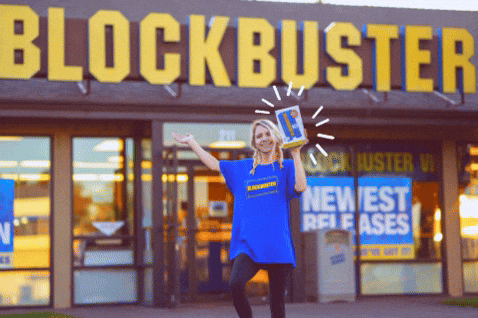
Welcome to the age of paying monthly for practically everything.
The subscription revolution began with convenience. Services like Netflix showed people they could access thousands of films and television programmes with just a few clicks. No late fees, no trips to the shop and no need to find space for another DVD case gathering dust in the living room.
Naturally, everyone wanted a piece of the action.
Before long, music followed suit. Instead of buying albums, listeners could stream millions of songs instantly. Why purchase ten tracks when an entire catalogue was available whenever you fancied it? Suddenly, discovering new artists became easier than ever, and creating the perfect playlist felt far more exciting than carrying around a wallet full of CDs.
Gaming wasn’t far behind. Subscription services now offer huge libraries of games for a monthly fee, allowing players to jump between adventures without constantly opening their wallets. It’s a bit like an all-you-can-eat buffet, except instead of piling your plate high with chips, you’re downloading the latest blockbuster title.
Of course, subscription entertainment has plenty of advantages. It’s affordable, convenient and offers incredible variety. Fancy a crime drama? A documentary about penguins? A podcast about medieval castles? Chances are it’s only a few taps away.
The downside is that subscriptions have a habit of multiplying.
Many people start with one service and gradually find themselves paying for several. One platform has the series everyone is talking about, another has exclusive films, and yet another has the music, games or sports coverage they can’t live without. Before you know it, your monthly subscriptions are quietly helping themselves to a sizeable chunk of your bank balance.
There’s also the question of ownership. When you buy a film or album outright, it’s yours. With subscriptions, you’re essentially renting access. If a service removes content or you cancel your membership, that entertainment can disappear overnight. It’s a modern convenience, but it comes with a small catch.
Despite these concerns, subscription entertainment shows no signs of slowing down. Consumers love flexibility, and companies love recurring revenue. It’s a partnership that has reshaped the entertainment industry and changed how audiences discover, consume and enjoy content.
The future could bring even more subscription options, from virtual reality experiences to interactive entertainment that blends gaming, television and social media into one package. Whatever comes next, one thing seems certain: the days of owning every piece of entertainment we enjoy are becoming increasingly rare.
So the next time another monthly subscription tempts you with a free trial, ask yourself one important question: do you really need it, or are you about to add another charge to the ever-growing list?
Either way, the subscription era is here to stay, and it’s changing entertainment one monthly payment at a time.