Social media can be a wonderful way to connect, share and discover, but it can also feel overwhelming.
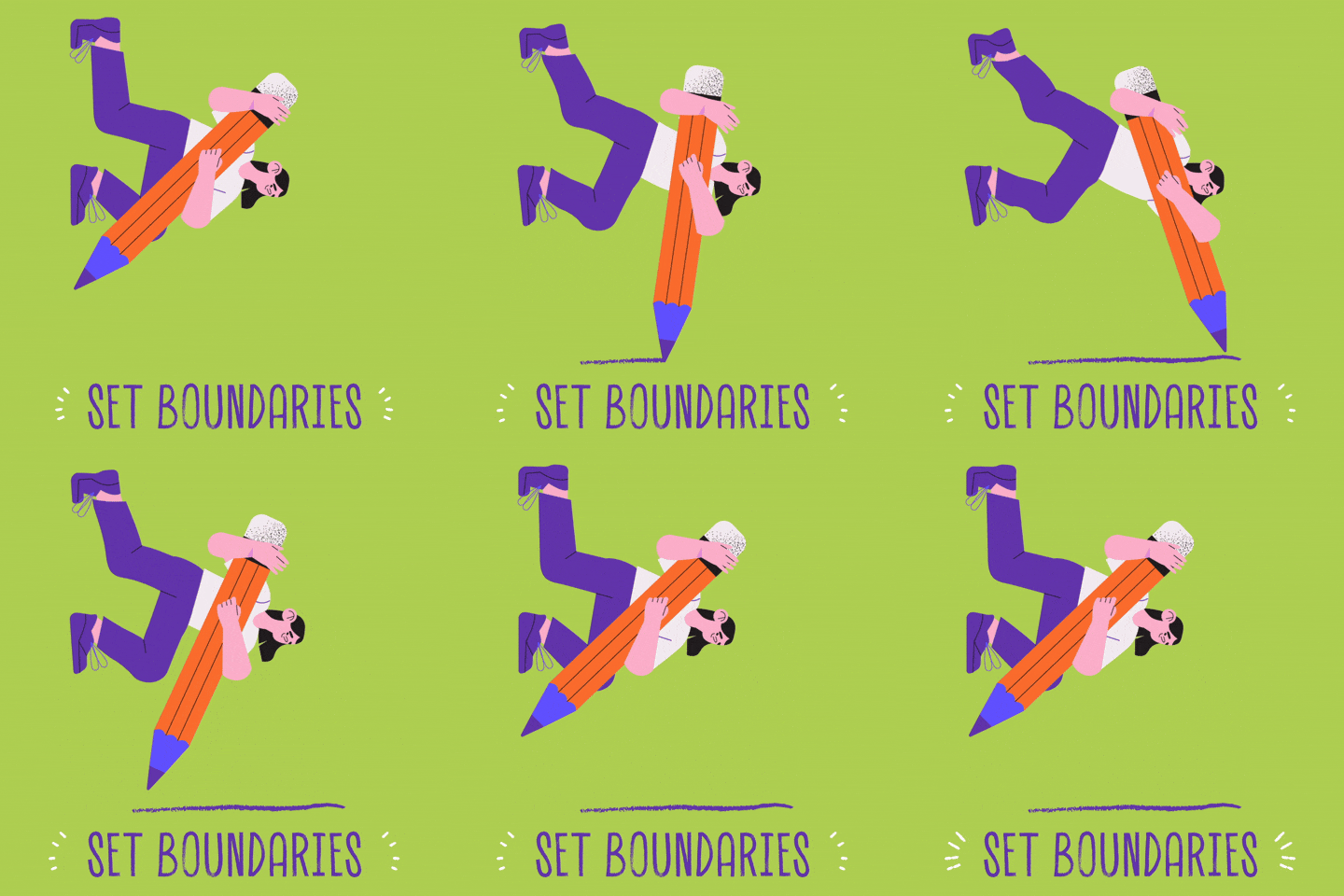
Endless notifications, constant comparisons and exposure to negative content can affect mental health and focus. Setting healthy boundaries online is essential to maintain balance, reduce stress and keep social media a useful tool rather than a source of strain.
Understand your goals
The first step in setting boundaries is to consider why you use social media. Are you looking to stay in touch with family, follow news, share creative work, or simply entertain yourself? Understanding your purpose helps you decide which platforms, accounts and interactions are worth your attention.
Limit your time
It is easy to spend hours scrolling without noticing. Setting time limits can help you engage intentionally rather than habitually. You might schedule specific times for social media or use built-in tools to track usage. Even short breaks from scrolling can improve focus and reduce fatigue.
Curate your feeds
The people and pages you follow shape your online experience. Unfollow or mute accounts that cause stress, anxiety or unnecessary comparison. Seek out content that inspires, informs, or genuinely interests you. A well-curated feed makes social media feel more positive and purposeful.
Be mindful of notifications
Constant notifications encourage impulsive checking and disrupt your day. Consider turning off non-essential alerts, or checking messages and updates at designated times. Controlling notifications helps you maintain attention and reduces stress.
Protect your privacy
Boundaries also include deciding what personal information to share. Be thoughtful about posts, comments and profile details. Protecting your privacy reduces potential stress from unwanted attention and gives you greater control over your online presence.
Know when to step away
Recognise signs that social media is negatively affecting your mood or productivity. Feeling anxious, comparing yourself excessively, or becoming easily irritated are signals to take a break. Regular digital detoxes, even for a few hours or days, can help reset perspective.
Communicate your limits
If you collaborate or communicate with others online, it’s okay to set expectations. Let people know when you are available, how you prefer to be contacted, and what topics you are willing to engage with. Clear communication helps reduce pressure and misunderstandings.
Focus on quality over quantity
Healthy boundaries are not just about restriction; they are about quality engagement. Interact meaningfully with content and people that matter to you, rather than trying to keep up with everything. This approach makes social media more rewarding and less draining.
Setting healthy boundaries online is about intention, control and self-care. By understanding your goals, limiting time, curating feeds, managing notifications, protecting privacy, and knowing when to step away, social media can become a tool for connection rather than a source of stress. Boundaries allow you to engage with confidence, clarity and peace of mind.