
When people think about live music, massive festivals and stadium tours often come to mind. But behind every headline act and sold-out arena show lies a much smaller stage—the grassroots venues where many artists take their first steps. These small spaces remain the heartbeat of the music scene, and without them, the industry would look very different.
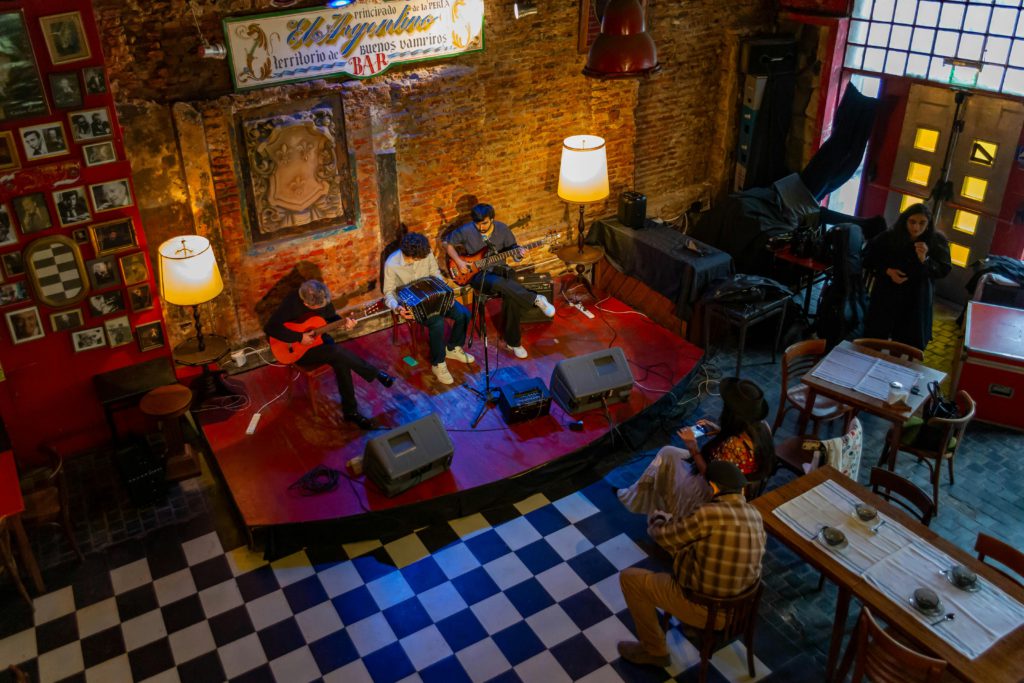
1. The starting point for emerging talent
Most artists don’t begin their journey playing to thousands—they start in pubs, clubs, and intimate venues. These stages provide an essential training ground where musicians can hone their craft, build confidence, and develop a loyal fanbase. Without them, countless artists would never get the chance to grow.
2. A sense of community
Small venues aren’t just about the music—they’re about connection. Fans often discover new acts in these intimate settings, forming personal memories and relationships that can last a lifetime. The sense of closeness between artist and audience is something big stages can’t replicate.
3. Diversity and experimentation
Because they’re less commercial, smaller venues often take more risks on new sounds and styles. This creates space for innovation, allowing genres to blend and underground scenes to thrive. Many of today’s biggest trends started out in the backrooms of bars and independent clubs.
4. Local economic and cultural impact
Small venues contribute to local nightlife, bringing life to communities and supporting nearby businesses. They’re also cultural landmarks, shaping the identity of neighbourhoods and giving cities their musical character. Losing them means losing part of the cultural fabric.
5. Pathways to the big stage
Almost every major artist can trace their career back to a string of small gigs. These shows build the experience, fanbase, and industry connections that eventually lead to bigger opportunities. In many ways, they are the foundation on which the rest of the music industry stands.
Small venues may not have giant stages or huge production budgets, but their importance is immeasurable. They nurture talent, strengthen communities, and keep music scenes alive at the grassroots. Protecting and supporting them ensures the future of live music remains vibrant and diverse.